
The Gut-Microbe Reaction to Plant-Based Nutrients: What New Research Shows
by Anna Sandhu | Jun 12, 2025
Reviewed by Dr. Arun, M.Pharm., PGDRA, Ph.D.
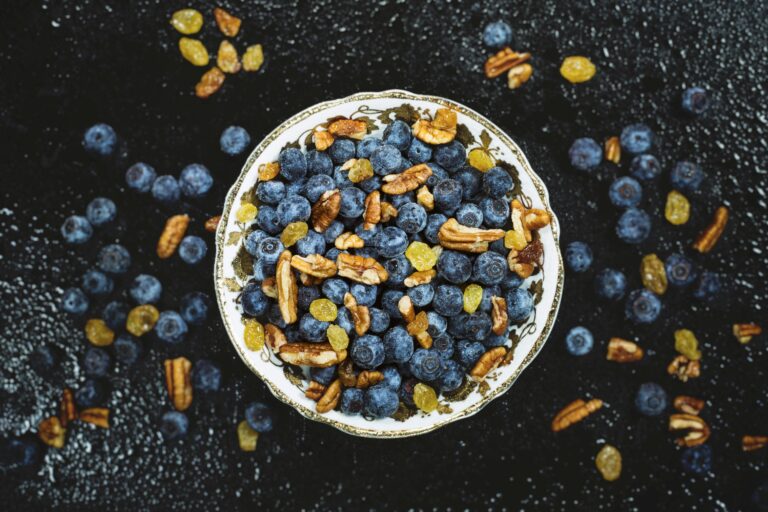
Scientists are learning more about how what we eat, especially plant nutrients called polyphenols, interact with gut microbes.
This article is a review of many studies. It looks at how polyphenol-rich foods (think berries, nuts, tea, dark chocolate, vegetables) interact with the gut microbiome. It also explains how researchers use special lab systems called continuous multi-staged in vitro fermentation models. These models mimic different parts of the colon (our large intestine) and help test nutrient-microbe interactions in a controlled way.
Why use these models? Because they let scientists test how polyphenols get transformed by gut microbes, how microbes respond, and how these interactions might differ from person to person. The “personalized nutrition” idea comes into play because everyone has a different gut microbiome. So what one person eats might affect their microbes differently from another person’s microbes.
Key points from the review:
- Polyphenols are plant-based nutrients that are not always fully absorbed in the small intestine. Many reach the colon where microbes act on them.
- The microbes break them down into other compounds; those compounds can have health effects (positive or negative) depending on who you are and what your microbes are like.
- The models show that microbial communities respond differently based on which polyphenols are present and what the microbial mix is. That means diet + microbes = outcome.
- Because of this, the authors suggest that nutrition might one day be more customized: what you eat, how your microbes respond, and how your body uses nutrients. They call this “personalized nutrition.”
- They also note that while these models and early studies are promising, we are not yet at a point where we can say exactly which polyphenol does what for which person. More research is needed.
In simple terms: the review says that the tiny bugs in your gut and the plant-nutrients you eat are in a conversation. That conversation changes from person to person. How you’ll benefit from polyphenol-rich foods may depend on your unique gut microbiome. Being aware of that and choosing a diet rich in plants, nuts, berries, tea, and supporting gut health overall, can help your body make the best of these nutrients.
More Information: Personalized nutrition studies of human gut microbiome-polyphenol interactions utilizing continuous multistaged in vitro fermentation models–a narrative review. DOI: https://doi.org/10.1016/j.nutres.2025.01.011