
The Gut-Brain Link in Eating Disorders: What Microbes and Food Reward Reveal
by Anna Sandhu | Jun 17, 2025
Reviewed by Dr. Arun, M.Pharm., PGDRA, Ph.D.
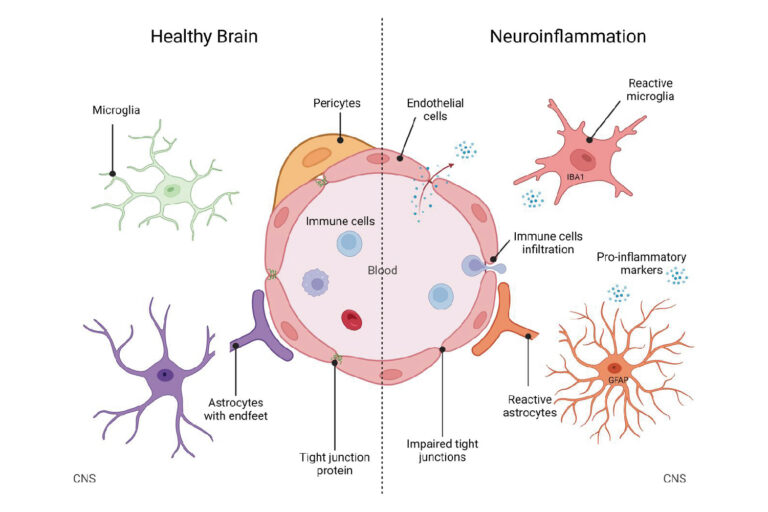
We often think of eating just as hunger, taste and mood. But recent research shows there’s a deeper system at work: your gut bacteria, your brain’s reward circuits, and even low-grade inflammation inside the brain. This system may help explain why some people struggle with conditions like binge eating, anorexia, or bulimia. The article explores how the gut microbiota (the microbes in your gut) may be connected to neuroinflammation (brain immune activation) and food reward alterations (changes in how the brain responds to food).
Here’s how it works in simple terms:
Your gut hosts trillions of microbes that help break down food, support digestion and influence your immune system. When your gut microbiome is out of balance (called dysbiosis), it may send signals that trigger inflammation not just in your gut, but also in your brain. The brain has pathways for “reward”, how we feel when we eat pleasant food, how our cravings form, and how our eating behaviour is regulated.
The review shows that:
- Problems in the gut microbiome may lead to increased brain inflammation.
- That brain inflammation may interfere with how the brain processes food reward, meaning the brain may react differently to eating, crave more, or struggle with control.
- These changes might play a role in eating disorders (like anorexia nervosa, bulimia nervosa, binge eating disorder).
In short: if your gut microbiome is upset, it may help cause brain-immune signals that alter your asking for food, or how your body rewards eating. It is not just about willpower; your gut and brain are talking.
What does this mean for someone curious about wellness? It suggests that caring for your gut health, through balanced diet, fibre, less processed food and good sleep, might help not only digestion but also how your brain reacts to food and eating. While this doesn’t mean every eating disorder is directly caused by gut bacteria, it does highlight a new piece of the puzzle.
In simple terms: Your gut microbes are tiny helpers that may influence much more than digestion. They may affect brain signals around food, reward and control. If you take care of your gut, you might also support healthier eating habits, better mood around food and a stronger sense of body-control.
More Information: Gut microbiota-related neuroinflammation at the crossroad of food reward alterations: implications for eating disorders. DOI: https://doi.org/10.1136/gutjnl-2024-333397