
Top 5 Foods That Support Your Good Gut Bacteria to Thrive
by Anna Sandhu | Oct 27, 2025
Reviewed by Dr. Arun, M.Pharm., PGDRA, Ph.D.
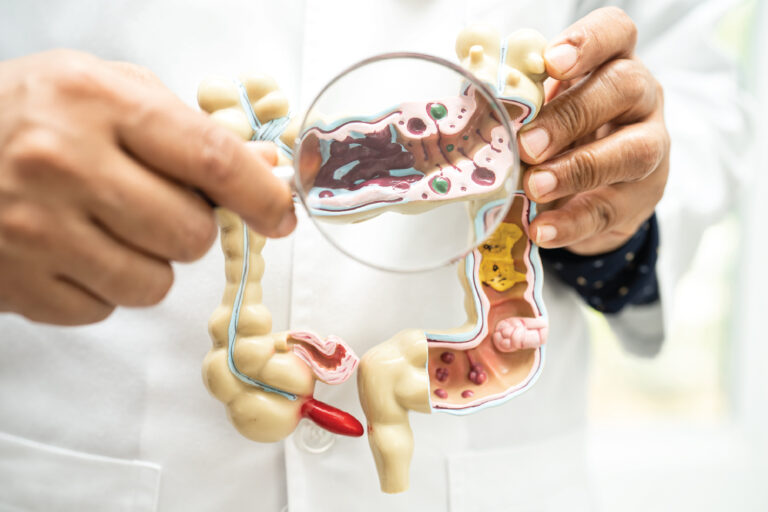
Inside your digestive system lives a community of tiny living organisms called gut bacteria. These microbes are not just passengers; they play a key role in how you digest food, absorb nutrients, and even how your immune system works. When you feed them the right foods, they grow stronger and work better. But when they do not get the nutrients they need, your gut can become unbalanced, which may lead to bloating, discomfort, or irregular digestion.
Eating for your gut is not complicated. It is about choosing foods that nourish your good bacteria and avoiding those that disrupt them. Let’s explore which foods help your gut bacteria thrive and how they can fit into your everyday meals.
Why Your Gut Bacteria Matter
Your gut is like a busy city full of microbes, some are helpful, and a few can cause trouble when they grow too much. The good bacteria in your gut support digestion, produce vitamins, and help maintain a strong gut lining. They also compete with harmful microbes to keep things in balance.
When your diet is rich in plant-based foods, fiber, and fermented products, these good bacteria flourish. But when it’s full of refined carbs, sugar, and processed items, it can impact the diversity of good bacteria, leaving your gut less resilient.
The good news is that your microbiome can change within days of adjusting your diet. Small daily food choices make a big difference over time.
- Fiber-Rich Foods Feed Your Gut Helpers
Fiber is one of the most powerful nutrients for a healthy gut. It is not digested by your stomach or small intestine, but your gut bacteria love it. When they ferment fiber, they produce short-chain fatty acids that help strengthen your intestinal lining and keep internal response low.
Good sources of fiber include:
- Vegetables like broccoli, spinach, carrots, and artichokes
- Legumes such as lentils, chickpeas, and black beans
- Fruits like apples, pears, and berries
- Whole grains such as oats, quinoa, and brown rice
Try to fill half your plate with colorful vegetables or whole grains at each meal. Even one extra serving of fiber-rich food per day can make a difference in your gut health.
- Prebiotic Foods Give Bacteria Their Favorite Fuel
Prebiotics are special types of fibers that serve as direct food for good bacteria. Think of them as fertilizer for your gut garden. These compounds help the friendly bacteria multiply and maintain balance in your digestive system.
Common prebiotic foods include:
- Garlic, onions, leeks, and asparagus
- Bananas (especially slightly green ones)
- Jerusalem artichokes and chicory root
- Whole-grain oats, barley, and flaxseeds
Prebiotic foods are easy to include. Add onions or garlic when cooking, sprinkle flaxseed over oatmeal, or blend a banana into your smoothie.
- Fermented Foods Add Live Bacteria
Fermented foods are naturally rich in beneficial bacteria called probiotics. These foods are made when natural microorganisms, like lactic acid bacteria, break down sugars in food. This process not only preserves food but also adds live cultures that support your gut microbiome.
Examples of fermented foods include:
- Yogurt with live and active cultures
- Kefir, a drinkable fermented milk
- Sauerkraut and kimchi
- Pickles made without vinegar (look for “naturally fermented” on the label)
- Miso and tempeh
Including a few servings of these foods each week can help introduce diverse bacteria to your gut. Always choose options with live or active cultures for the best benefit.
- Polyphenol-Rich Foods Protect Gut Balance
Polyphenols are natural plant compounds that act as antioxidants and support good bacteria growth. They are found in colorful fruits, teas, and spices. These compounds are not only good for your cells but also for your gut microbes.
Foods rich in polyphenols include:
- Berries (blueberries, raspberries, strawberries)
- Green tea and black tea
- Cocoa and dark chocolate (in moderation)
- Olive oil and nuts
- Herbs and spices like turmeric, cinnamon, and rosemary
When you eat these foods regularly, you help your good bacteria thrive while limiting harmful microbes.
- Water and Whole Foods Support a Healthy Environment
Hydration also plays a role in gut health. Water helps move fiber through the digestive system, preventing discomfort and helping bacteria do their work efficiently.
Whole foods—those that are close to their natural form provide the nutrients your gut needs. Processed foods, on the other hand, often contain additives and low-quality fats that may disrupt your gut bacteria.
Choosing fresh, whole ingredients most of the time helps your gut bacteria stay balanced and active.
Foods to Limit for a Healthier Gut
While focusing on what to include is key, it also helps to know what to limit.
Some foods can reduce the diversity of your gut bacteria or feed less-beneficial microbes. These include:
- Sugary snacks and drinks
- Ultra-processed foods high in additives and preservatives
- Fried foods or those high in trans fats
- Excessive red or processed meats
You do not need to cut these out completely, but keeping them as occasional treats helps your gut maintain balance.
Building a Gut-Friendly Plate
Creating meals that support your gut bacteria can be simple. Here’s how you can do it in everyday life:
- Start breakfast with oats, yogurt, or a banana smoothie with flaxseed.
- Choose a salad with colorful vegetables and olive oil for lunch.
- Add garlic, beans, or whole grains to your dinner.
- Snack on berries, nuts, or a small bowl of kefir instead of processed foods.
These simple swaps turn your daily meals into opportunities to feed your gut the right way.
Final Takeaway
Feeding your gut bacteria is one of the simplest ways to support overall health. Start by adding more fiber, prebiotics, and fermented foods to your meals. Choose colorful produce, drink enough water, and limit processed foods.
Small daily choices create lasting benefits for your digestion and overall well-being. The more you support your good bacteria, the better they can support you, one bite at a time.