
Can Gut Bacteria Shape Stroke Severity?
by Anna Sandhu | Jun 02, 2026
Reviewed by Dr. Arun, M.Pharm., PGDRA, Ph.D.
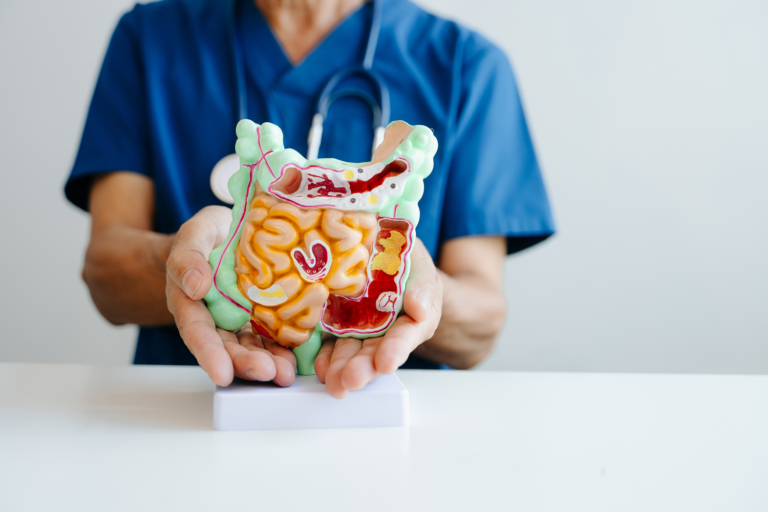
The gut and brain communicate through a complex network involving the immune system, microbial metabolites, and signaling pathways. A recent study published in Cell investigated whether gut bacteria could influence the body’s response to an ischemic stroke and help explain why stroke severity can vary between individuals.
Researchers focused on indole-producing gut bacteria, particularly Escherichia coli, and examined how bacterial metabolites interact with immune cells in the intestine. The study combined microbiome analysis, animal models, immune-cell experiments, and samples from people who had experienced ischemic stroke.
The researchers found that differences in gut microbial communities were associated with stroke severity. In their experimental models, indole-producing E. coli was linked with more severe neurological injury. The team identified a possible biological pathway involving indole, the aryl hydrocarbon receptor (AHR), and intestinal dendritic cells. These immune cells help coordinate immune responses and can communicate with other parts of the body.
According to the study, microbial indole activated AHR signaling in intestinal dendritic cells. This appeared to influence their behavior and downstream immune responses. When researchers disrupted AHR signaling specifically in these cells, experimental stroke outcomes were improved, suggesting that the gut microbiome–immune pathway may play a role in how the body responds to brain injury.
The researchers also analyzed samples from people with ischemic stroke. They found that indole-producing bacteria were associated with worse outcomes, providing human evidence that the gut–brain connection identified in the experimental work may also be relevant to people. However, these human findings were primarily associative.
That distinction is important. Most of the mechanistic evidence came from animal and laboratory experiments, not a human clinical trial. The study does not show that a particular gut bacterium causes stroke, nor does it show that changing the microbiome can prevent or treat stroke. Human studies involving larger and more diverse populations will be needed to determine how important this pathway is in real-world stroke care.
This research adds to evidence that the gut microbiome can communicate with the immune system and potentially influence brain health. It identifies a specific gut microbial pathway that may help explain differences in stroke severity and provides a direction for future human research.
More information: Gut microbiota primes stroke severity via the AHR in intestinal dendritic cells. DOI: https://doi.org/10.1016/j.cell.2026.09.013