
How to Make Homemade Fermented Foods for Better Gut Health
by Anna Sandhu | Aug 27, 2025
Reviewed by Dr. Arun, M.Pharm., PGDRA, Ph.D.
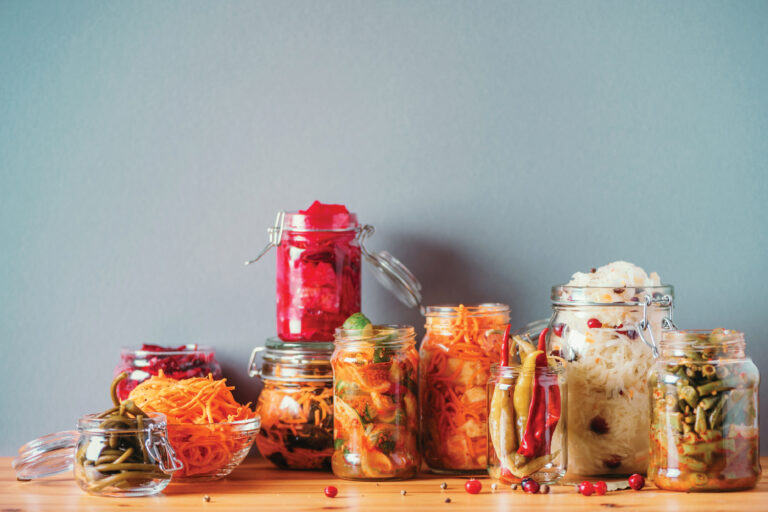
If you have ever wondered how to bring more good stuff into your diet to help your digestion and overall wellness, making your own fermented foods is a smart and fun step. Fermented foods are rich in beneficial microbes and can be a tasty, natural way to support your gut. In this blog we’ll walk through the “why,” the “how,” and the safety-tips you’ll want to know.
What Are Fermented Foods and Why They Matter
“Fermentation” is a natural process where friendly bacteria and yeasts break down foods under controlled conditions. During that process, foods change in taste, texture, and nutritional value. Scientists see that fermented foods may influence the gut microbiome the community of microorganisms living in our digestive system.
By adding fermented foods, you introduce live bacteria (probiotics) and compounds that can help your gut environment. For example, fermented vegetables may contain lacticacid-producing bacteria, which play a role in healthy digestion.
So when you make and eat your own fermented foods, you’re giving your gut a chance to receive different kinds of beneficial microbes and nutrients.
How Fermented Foods Support Your Gut and Health
Here are some ways fermented foods help:
- They add live microorganisms that may join or support your gut community.
- They improve the digestion of certain nutrients because the fermentation process breaks down foods into simpler forms.
- They help microbial diversity, which is often linked to better digestive and immune health.
- They turn simple foods into richer sources of nutrients and bioactive compounds like short-chain fatty acids (SCFAs) which support gut lining health.
Basic Steps to Ferment Foods at Home
You don’t need fancy equipment to get started. Here’s a simple way to begin with a basic vegetable ferment:
- Choose a fresh vegetable cabbage, carrots, cucumbers, whatever you like.
- Clean and chop into uniform pieces.
- Use a salt brine (for example 2-3% salt by weight of veggies + water) or just salt the veggies and press out some liquid.
- Pack the veggies tightly into a clean glass jar, ensure they are submerged under the brine or their own liquid.
- Cover the jar with a loose lid or cloth so gases can escape, and keep it at room temperature for 2–7 days depending on taste and environment.
- Once the taste is tangy and the veggies are soft but still crisp, transfer to the fridge to slow fermentation.
- Try a small serving (a few tablespoons) each day and see how you feel.
You can also start with easy ferments like plain yogurt, kefir, miso, sauerkraut or kimchi, just follow a trusted recipe.
Tips for Success and Safety
- Make sure all your jars and utensils are clean. Cleanliness matters because you want good bacteria, not bad.
- Use fresh, good quality vegetables. The better quality you start with, the better your ferment will be.
- Keep the veggies fully submerged; if they’re exposed to air they can spoil.
- Start small if you are new to fermented foods. Your gut may need a few days to adjust. Some mild gas or change in digestion is normal.
- If you have certain health conditions (immune issues, being pregnant, taking specific medications) check with your health care provider before adding large amounts of fermented foods.
- Label the jars with the date and check the taste and smell. If you see mold (other than the white harmless film sometimes) or a strange odour, discard it.
- Store finished ferments in the fridge and consume within a reasonable time (weeks, not months) for best quality.
How to Include Homemade Ferments in Your Routine
- Add a spoonful of homemade sauerkraut to your lunch sandwich.
- Use fermented veggies as a side dish at dinner.
- Stir a bit of plain kefir into your morning smoothie.
- Use miso paste in soups or salad dressings.
- Make making ferments a weekend activity invite friends or family to join in, it can make it fun and sustainable.
Over time, including fermented foods regularly (even small servings) helps your gut get used to the friendly bacteria and supports variety in your diet. Variety matters because different microbes support different parts of your gut system.
A Final Note to Remember
Making your own fermented foods is more than a trendy idea, it is a whole-food way to support your digestive system, nourish your immune system, and enjoy real flavour. By doing it at home, you control the quality, avoid unwanted additives, and learn to appreciate the process. As always, eating a diverse, balanced diet with plenty of whole foods (vegetables, fruits, lean proteins, fibre) alongside your ferments gives the best outcomes.
Give it a try. Start with one simple ferment this week. You might be surprised how small changes can feel big in your daily wellness.