
How Buttermilk Supports Your Digestive Health
by Anna Sandhu | Sep 29, 2025
Reviewed by Dr. Arun, M.Pharm., PGDRA, Ph.D.
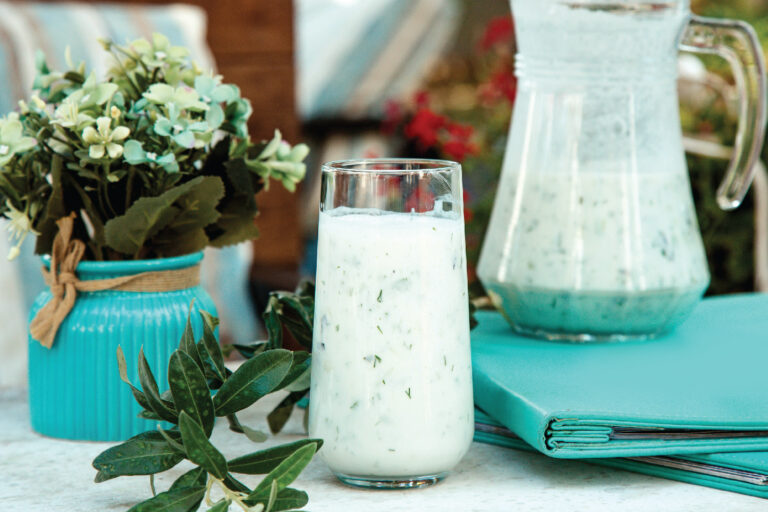
Sometimes the simplest recipes are the most powerful for your health. Buttermilk is one of those classics that quietly supports your gut and digestion while refreshing you from the inside out. It has been used for generations in homes across the world, especially after meals, to help the stomach feel light and comfortable.
In this recipe, you will learn how to make traditional buttermilk at home, why it is naturally good for your gut, and how you can flavor it with easy add-ins. It is a simple drink that works as both nourishment and comfort for your digestive system.
What is buttermilk?
Buttermilk is a fermented dairy drink made when friendly bacteria are added to milk. These live cultures give it a mild tangy flavor and creamy texture. During fermentation, the bacteria break down lactose (milk sugar), which makes buttermilk easier to digest than regular milk for many people.
This natural fermentation process also makes buttermilk rich in probiotics. Probiotics are good bacteria that help balance your gut microbiome and keep your digestive system healthy.
In short, buttermilk is more than just a refreshing drink. It is a living food that supports the good bacteria already in your gut.
Why buttermilk supports digestion
- Probiotic goodness
The live cultures in buttermilk help maintain a healthy balance of bacteria in your gut. A balanced gut supports digestion and helps reduce occasional bloating or heaviness after meals. - Gentle on the stomach
Because it is lightly fermented, buttermilk is easier to digest than plain milk. Many people who find milk heavy can tolerate buttermilk more comfortably. - Nutrient-rich and hydrating
Buttermilk contains calcium, potassium, vitamin B12, and protein, all of which support your body’s daily functions. It is also light, hydrating, and soothing on a warm day or after a spicy meal. - Aids post-meal comfort
Buttermilk helps neutralize stomach acids and can calm the digestive tract after a heavy or oily meal. That is one reason it has been a traditional meal companion for so long.
Ingredients for Traditional Buttermilk Recipe
For basic buttermilk:
- 1 cup plain low-fat yogurt
- 2 cups chilled water
- A pinch of salt
For optional flavor add-ins (choose one or more):
- ½ teaspoon roasted cumin powder (for digestion)
- 1 tablespoon finely chopped mint or cilantro (for freshness)
- A squeeze of lemon juice (for light tanginess)
- A dash of black pepper or ginger powder (for warmth)
How to make it
- In a large bowl or blender, combine the yogurt and water.
- Blend or whisk until smooth and slightly frothy. The texture should be thin, like a light smoothie.
- Add salt and your chosen spices or herbs. Stir well.
- Pour into a glass and serve immediately, or chill for 15–20 minutes for a cooler taste.
This makes about 3 servings. You can store it in the refrigerator for up to 24 hours. Shake or stir before drinking if it separates.
Recipe variations to try
- Cooling Cumin Buttermilk
Blend in roasted cumin powder, salt, and a few mint leaves. This version is great after a spicy meal or on a hot day. - Spiced Ginger Buttermilk
Add a pinch of dry ginger powder and black pepper. This version gives a mild warmth and may support digestion after heavier foods. - Lemon-Herb Buttermilk
Mix in fresh lemon juice and cilantro or parsley. It tastes refreshing and works well as a light afternoon drink.
These variations show how flexible buttermilk can be. With a few changes, you can create versions that suit your taste and wellness needs.
The science behind buttermilk’s gut benefits
Your digestive system houses trillions of microbes that influence how food is broken down and absorbed. These microbes are part of your gut microbiome. A healthy microbiome supports digestion, helps produce certain vitamins, and protects your intestinal lining.
The probiotics in buttermilk can help maintain this balance. When you drink it regularly, you add beneficial bacteria that may enhance microbial diversity in your gut. A diverse gut environment is linked with better digestive comfort and overall wellness.
Also, the lactic acid formed during fermentation gives buttermilk its tangy taste and helps the body absorb minerals like calcium more effectively. This makes it both nourishing and functional.
When to enjoy buttermilk
- After meals: A small glass can help ease digestion and reduce that heavy, full feeling.
- As a mid-day refresher: It hydrates and cools the body, making it a great alternative to sugary drinks.
- Before bedtime: A mild, spiced version without lemon can be soothing if you experience occasional acidity.
- Post-workout: It can help replace fluids and minerals naturally.
Helpful tips
- Use plain, unsweetened yogurt for the best probiotic benefit. Avoid flavored or sweetened options.
- If you are lactose intolerant, start with small servings and notice how your body feels.
- Avoid boiling or heating buttermilk, as high heat may reduce the live cultures that make it beneficial.
- Use freshly roasted spices instead of pre-mixed powders for a more natural flavor.
Final Takeaway
Buttermilk is one of the simplest and most effective recipes to support gut health naturally. It combines hydration, probiotics, and gentle nutrition in one glass. You can make it in minutes, adjust it to your taste, and drink it anytime your digestion needs a little help.
So the next time you feel heavy after a meal or need a cooling, healthy drink, reach for a glass of homemade buttermilk. This humble recipe might just become your favorite daily gut-friendly habit