
How Phytobiotics from Plants Keep Your Gut Healthy & Happy
by Anna Sandhu | Oct 26, 2025
Reviewed by Dr. Arun, M.Pharm., PGDRA, Ph.D.
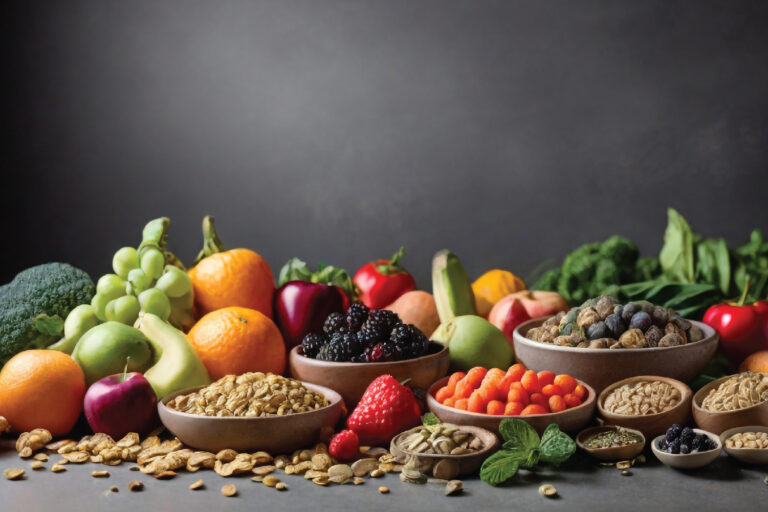
Your gut is more than just a place where food is digested. It is a complex ecosystem filled with trillions of microorganisms that influence your digestion, energy, and even your mood. To keep this internal community healthy, your body needs nourishment that comes from nature. One way to do this is through phytobiotics, the beneficial compounds found in plants.
Let’s take a closer look at what they are and how they help your digestive system thrive.
What Are Phytobiotics?
The word “phytobiotics” combines “phyto,” meaning plant, and “biotics,” meaning life. These compounds act as natural nourishment for your gut microbiome, the community of good bacteria living in your digestive tract.
Each time you eat colorful plant foods like berries, pomegranates, green tea, or herbs, you are feeding these microbes with the compounds they need to grow and work efficiently. This helps your gut maintain its natural balance and function more effectively.
How Phytobiotics Support the Gut
The gut works best when it contains a diverse range of good bacteria. These microbes play an important role in digestion and overall wellness. Phytobiotics interact with your gut in several beneficial ways:
- They provide plant-based nutrients that good bacteria can use as energy.
- They support microbial diversity, allowing different types of helpful bacteria to thrive.
- They contribute to balance in the digestive tract, supporting overall comfort and function.
Simply put, phytobiotics act as natural fuel for your gut microbes, helping them do their job more efficiently.
Key Phytobiotic Ingredients and Their Benefits
Phytobiotics are found in many plants, each offering unique compounds that interact with your gut microbiome in special ways.
- Green and Gold Kiwifruit Powder
Kiwifruit naturally contains prebiotic fibers and polyphenols that help nourish gut microbes. These elements encourage microbial diversity and support smoother digestion.
- European Black Elderberry Extract
Elderberries are rich in flavonoids, which are plant-based compounds that provide nutrients for gut bacteria. They also help maintain a variety of beneficial microbes in the digestive system.
- Pomegranate Fruit Extract
Pomegranate is known for its high polyphenol content. These compounds serve as important nutrients for gut bacteria and help promote the presence of different beneficial species in the microbiome.
- Lychee Fruit and Green Tea Polyphenols
Both lychee and green tea are great sources of plant polyphenols. These compounds have been studied for their ability to support microbial balance and variety, helping the gut maintain a healthy internal environment.
- Turmeric Rhizome Extract
Turmeric is rich in curcuminoids, which are natural plant compounds known to support the body’s internal balance. They work alongside other phytobiotics to create a supportive environment for gut bacteria.
Why Phytobiotics Matter for Gut Health
Modern diets are often low in fruits, vegetables, and plant-based foods. This lack of plant diversity can reduce the variety of bacteria in the gut. A less diverse microbiome may not function as efficiently, which can affect digestion and nutrient absorption.
Including phytobiotic-rich foods or supplements in your daily routine helps restore this natural balance. By providing a steady supply of plant compounds, you create an environment where your gut microbes can flourish.
Phytobiotics are not meant to replace probiotics or prebiotics but rather complement them. Together, these natural elements help maintain harmony in the gut ecosystem.
The Science Behind Phytobiotics
Research shows that the compounds in phytobiotics, such as polyphenols and flavonoids, interact directly with gut microbes. When gut bacteria break down these compounds, they produce beneficial byproducts that can support overall wellness.
This interaction encourages microbial diversity, helps regulate internal processes, and supports digestive comfort. Over time, a diet rich in phytobiotic foods can contribute to better gut balance and improved well-being.
How to Add Phytobiotics to Your Daily Routine
You can include phytobiotics in your day through:
- Colorful fruits and vegetables such as berries, kiwifruit, and pomegranates
- Herbal teas like green tea or turmeric tea
- Botanical supplements that combine plant extracts with prebiotic fiber
- Balanced meals that include a variety of whole plant foods
Even small, consistent changes can help improve your gut environment and overall health.
Final Takeaway
Phytobiotics are one of nature’s simplest ways to support your gut health. These plant-based compounds help feed your beneficial gut bacteria, maintain balance, and support digestive well-being.
Adding more plant-based foods or supplements containing phytobiotic ingredients like kiwifruit, elderberry, pomegranate, or turmeric can help you nurture your gut from the inside out. When your gut feels balanced, your whole body benefits too.