
Study Finds Seed Mucilages May Act as Natural Prebiotics for Gut Microbes
by Anna Sandhu | Jul 01, 2025
Reviewed by Dr. Arun, M.Pharm., PGDRA, Ph.D.
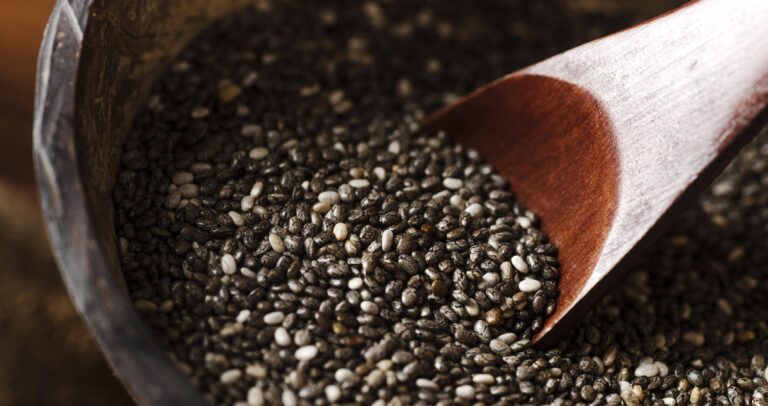
Researchers studied seeds like chia, fenugreek, basil, mustard and flaxseed to see if parts of them called mucilages could help the gut microbiome, the community of friendly bacteria inside our gut. Mucilage is a kind of stretchy fiber that seeds release when they are soaked or digested. The idea: maybe these seed mucilages act like prebiotics, food for good gut bacteria, and help gut health for both adults and toddlers.
Here’s the set-up: The team extracted the mucilage from the seeds. They ran lab tests to check how digestible the mucilage was, and how it affected growth of known helpful bacteria (like Bifidobacterium and Lactobacillus). Then they used a model that simulates gut fermentation (what happens in our intestines) to see how adding seed mucilage changed the gut-bacteria mix and the chemicals they produce.
What did they find? The seed mucilages are rich in fibers our body doesn’t digest, but our gut bacteria can. They saw increases in good bacteria that break down fiber and produce healthy compounds known as short-chain fatty acids (SCFAs: like acetate, propionate, butyrate). These SCFAs are important because they help feed gut-cells, support the gut barrier and may help with metabolism and immune function.
Importantly, different seed mucilages had slightly different effects. For example, mustard seed mucilage stood out: it increased Bifidobacterium in both adult and toddler models. Also, fenugreek and mustard seed mucilages seemed to reduce bacteria groups (like Proteobacteria or the Escherichia-Shigella genera) that might be less helpful when in high amounts.
So, what does this mean for everyday life? It means adding seeds (especially those with mucilage) to your diet could help feed your gut-microbiome in a positive way, both for adults and toddlers. It suggests seeds are more than just “healthy snacks”; their fiber components may actively support gut bacterial balance and the beneficial chemicals those bacteria make.
However, good to know: this is still early‐stage research (lab models rather than large human trials). These promising findings need to be confirmed in real-world settings with more people over longer time spans.
In short: The study shows that seed mucilages from chia, fenugreek, basil, mustard and flax-seed have real potential as prebiotic helpers. They can help gut-microbe balance and increase health-supporting compounds in the gut. Including seed-rich foods could be a smart move for gut health.
More Information: Seeds for gut health: Prebiotic potential of seed mucilages from Chia, Fenugreek, Basil, Mustard, and Flaxseed and their impact on adult and toddler’s gut microbiome. DOI: https://doi.org/10.1016/j.fufo.2025.100628