
Tiny Particles from Gut Bacteria: How They Work Differently Than the Bacteria Themselves
by Anna Sandhu | Jul 04, 2025
Reviewed by Dr. Arun, M.Pharm., PGDRA, Ph.D.
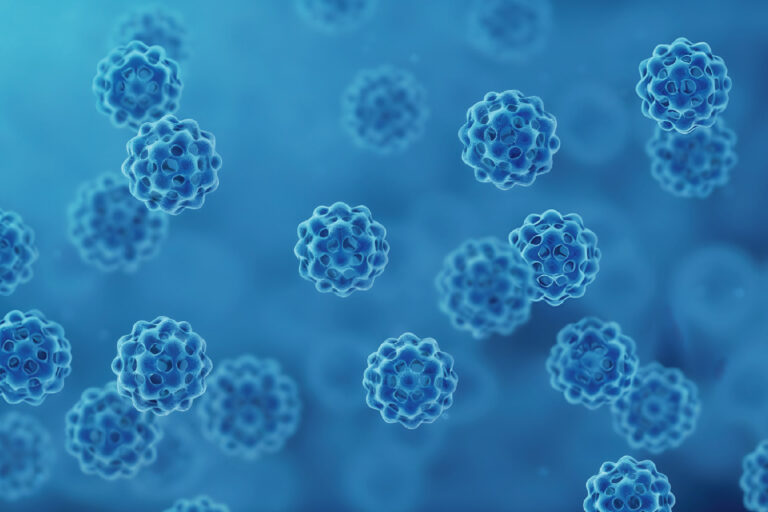
Inside our gut lives a community of billions of bacteria and microbes. These microbes help with digestion, immunity, metabolism and more. But researchers now believe that the story doesn’t stop with the microbes themselves. There are tiny particles called extracellular vesicles (EVs) that the gut bacteria send out. These vesicles may act separately and send signals from the gut microbes to our body.
This recent study looked at several groups of people and compared the actual gut bacteria (microbiota) to the vesicles derived from those microbes. They wanted to see if the vesicles really just mirror the bacteria or if they are a distinct form. Using advanced tools like machine learning, they found that indeed the vesicles were different from the bacteria in terms of their make-up, origin and pattern.
Key findings:
- The vesicles (EVs) did not match the bacterial community one-to-one. Many kinds of bacteria that were abundant in the gut were not equally represented in the vesicles, and vice versa.
- Using data from multiple patient groups (healthy people, people with obesity, cancer, pregnancy, and more), the researchers found that the classification (separating bacteria vs vesicles) was very accurate across different studies. That means the difference is likely real, not just a one-time result.
- Because these vesicles are separate, the study suggests that when scientists talk about “gut microbiota,” they should also consider “microbiota-derived vesicles” as a distinct layer of microbe-host communication. These vesicles might carry signals, bits of bacteria, metabolites, or other cargo that affect our body even when the bacteria themselves don’t.
Why does this matter? When we think about gut health, we often look at the number and types of bacteria in the gut. But if the bacteria are sending vesicles, those vesicles might carry messages (or mis-messages) that influence our immune system, our gut barrier, inflammation, maybe even organs beyond the gut. This research opens a new window into how microbes talk to us, not just by being there, but by sending out special particles.
In simple terms: The tiny “mail-packets” from gut bacteria (vesicles) are not simply the same as the bacteria themselves. They form a distinct group and need to be studied separately. For your wellness journey, the takeaway is that gut health involves more than just which bacteria are present https://gut.bmj.com/content/74/10/1728it’s also about what those bacteria may be sending out. In time, this could lead to new ways to monitor or support gut-health communications.
More information: Gut microbiota-derived extracellular vesicles form a distinct entity from gut microbiota. DOI: https://doi.org/10.1128/msystems.00311-25