
Constipation and Gut Health: What New Research Shows
by Anna Sandhu | Feb 10, 2026
Reviewed by Dr. Arun, M.Pharm., PGDRA, Ph.D.
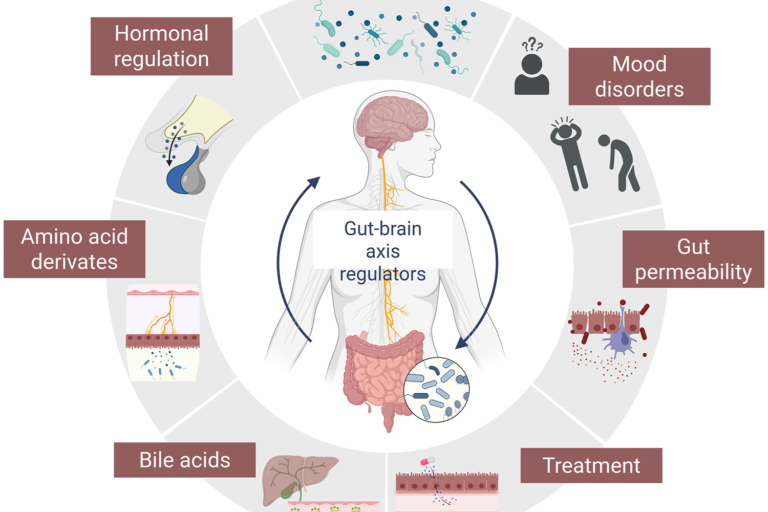
Constipation is a common problem that many people face. It can make bowel movements slow, hard, or uncomfortable. While diet and lifestyle are often blamed, a new study shows that gut bacteria may also play an important role.
Inside your gut, there are trillions of bacteria. These bacteria help with digestion and keep your gut working smoothly. But not all bacteria act the same way.
This study looked at a special group of bacteria that break down mucus in the gut. Mucus is a slippery layer that lines your intestines. It helps stool move easily through the digestive system.
The scientists asked two main questions:
- Can certain bacteria affect the mucus layer in the gut?
- Does this lead to constipation?
Here are the key findings:
- Some gut bacteria can break down the mucus layer too much. This is called mucin degradation.
- When this mucus layer becomes thinner, stool may not move as smoothly through the intestines.
- The study found that higher levels of these bacteria were linked with slower bowel movement.
- These changes can affect how the gut muscles move, which may lead to constipation.
- The balance of gut bacteria plays a key role. When helpful and harmful bacteria are not balanced, it can affect digestion.
Why this matters:
- Constipation is not always just about fiber or water intake. Gut bacteria can also be a hidden factor.
- A healthy mucus layer is important for smooth digestion and easy bowel movements.
- When the gut environment is balanced, it supports better movement in the digestive system.
- This research helps us understand that gut health is more complex than we thought.
In short:
This study shows that certain gut bacteria can affect the mucus lining of the intestines and may lead to constipation.
In simple terms, some bacteria may reduce the natural “slippery layer” in your gut, making it harder for stool to pass.
Understanding this can help guide better ways to support gut health and improve digestion in the future.
More Information: Bacterial constipation: Mucin-degrading intestinal commensal bacteria cause constipation. DOI: https://doi.org/10.1080/19490976.2025.2596809