
How Different Immune Responses May Drive Chronic Colitis
by Anna Sandhu | May 07, 2026
Reviewed by Dr. Arun, M.Pharm., PGDRA, Ph.D.
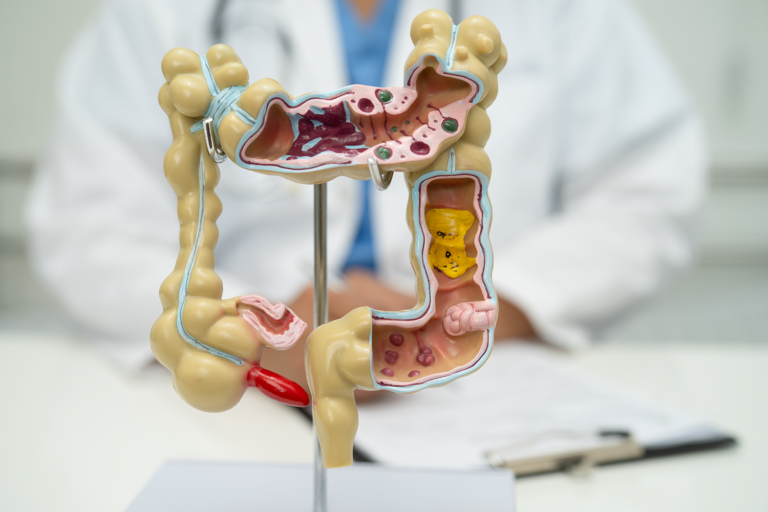
Chronic colitis is a long-term condition where the lining of the colon stays inflamed for a long time. It is closely linked with inflammatory bowel diseases (IBD) like ulcerative colitis and Crohn’s disease. People with chronic colitis may experience stomach pain, diarrhea, tiredness, and digestive discomfort. A new study looked deeper into how inflammation develops and changes inside the gut over time.
Researchers wanted to understand why gut inflammation can be different from one person to another. To study this, scientists used advanced tools to examine colon tissue from chronic colitis models. They tracked changes happening in different areas of the gut and at different stages of inflammation. This helped them create a detailed “map” of inflammation inside the colon.
The study found that chronic colitis is not caused by just one type of inflammation. Instead, several different inflammatory programs can happen at the same time. Some types of inflammation were mainly found in the upper part of the colon, while others appeared more in the lower areas. Scientists also found special clusters of immune activity that looked similar to lymphoid structures, which are areas where immune cells gather together.
One important discovery involved neutrophils. These are immune cells that help the body respond to injury and infection. Researchers found that neutrophils became highly active during chronic gut inflammation. Their activity was strongly linked with ongoing tissue damage and immune reactions. The study suggests these immune cells may play a major role in keeping inflammation active in IBD.
Scientists also noticed strong communication between gut lining cells and immune cells. The gut lining normally acts like a protective barrier. But during chronic inflammation, these cells started sending signals that increased immune activity. This created a cycle where inflammation kept continuing instead of calming down.
Another interesting finding was that different stages of inflammation showed different patterns inside the gut. Early inflammation did not look the same as long-lasting inflammation. This may help explain why some people respond well to treatment while others continue having symptoms over time.
Researchers also compared their findings with human IBD data. They found several similarities between the animal models and people with ulcerative colitis or Crohn’s disease. This means the study may help scientists better understand how human gut inflammation develops.
Overall, this research shows that chronic colitis is more complex than previously thought. Different immune pathways, gut cells, and inflammatory signals may work together in different parts of the colon. Understanding these patterns may help researchers develop more targeted ways to support people living with IBD in the future.
More information: Spatiotemporal analysis reveals distinct inflammatory programs underlying chronic colitis. DOI: 10.1016/j.immuni.2026.04.005